Field notes · 4 May 2026
Two drawers, two envelopes: cash at a district clinic
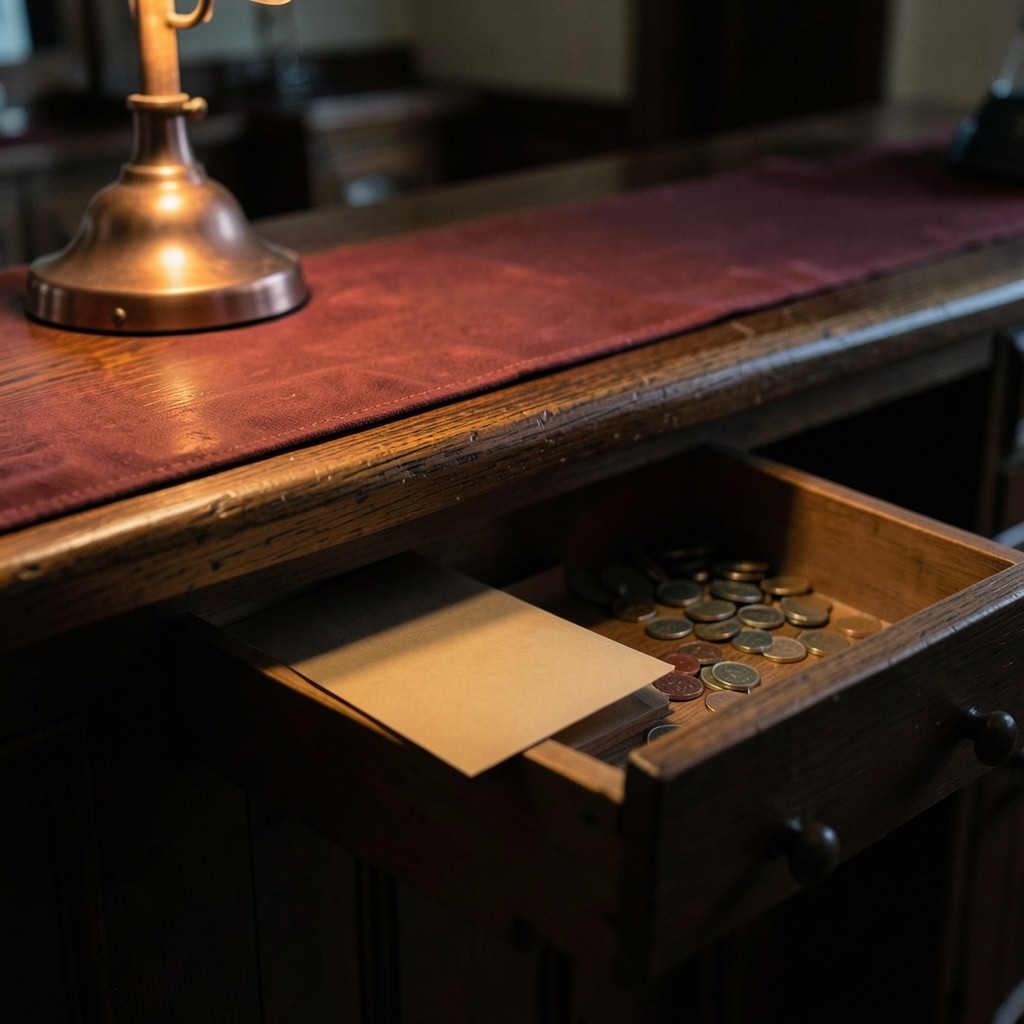
A clinic with two reception points often has one float that both desks treat as shared. The monthly bills then arrive with no memory of which desk spent them.
Shared float, blurred week
I spent years reconciling a district clinic before joining the practice. The recurring tangle was not theft. It was a single drawer feeding reception, the treatment room, and the person who bought drinking water. By Friday nobody could say which envelope the paracetamol run had come from.
Two desks do not need two accounting systems. They need two named envelopes and a rule about which purchases belong to which desk.
What each envelope is allowed to buy
The front desk envelope pays for small reception costs under a limit the owner sets — usually water, paper, and the odd taxi for a document. The treatment-room envelope pays for sundries the nurses already know by name. Anything above the limit waits for the owner, even if the supplier is standing at the counter.
The limit should be an amount the owner can replace without touching wages. If the limit is so high that a quiet week can empty it, it is no longer a float. It is a second till.
The Monday count
Once a week, both envelopes are counted against the slips inside them. The count takes less time than a disputed invoice later. The monthly expense sitting then starts from those four weekly counts instead of a shoe box.
If a slip is missing, the rule sheet should say so in a single line: the person who spent writes their name on a blank slip the same day. Reconstruction at the end of the month is how small clinics lose an afternoon.
If this matches a decision you are facing, write to the Paluru office or look through the engagements.